Be yourself; Everyone else is already taken.
— Oscar Wilde.
This is the first post on my new blog. I’m just getting this new blog going, so stay tuned for more. Subscribe below to get notified when I post new updates.
Be yourself; Everyone else is already taken.
— Oscar Wilde.
This is the first post on my new blog. I’m just getting this new blog going, so stay tuned for more. Subscribe below to get notified when I post new updates.
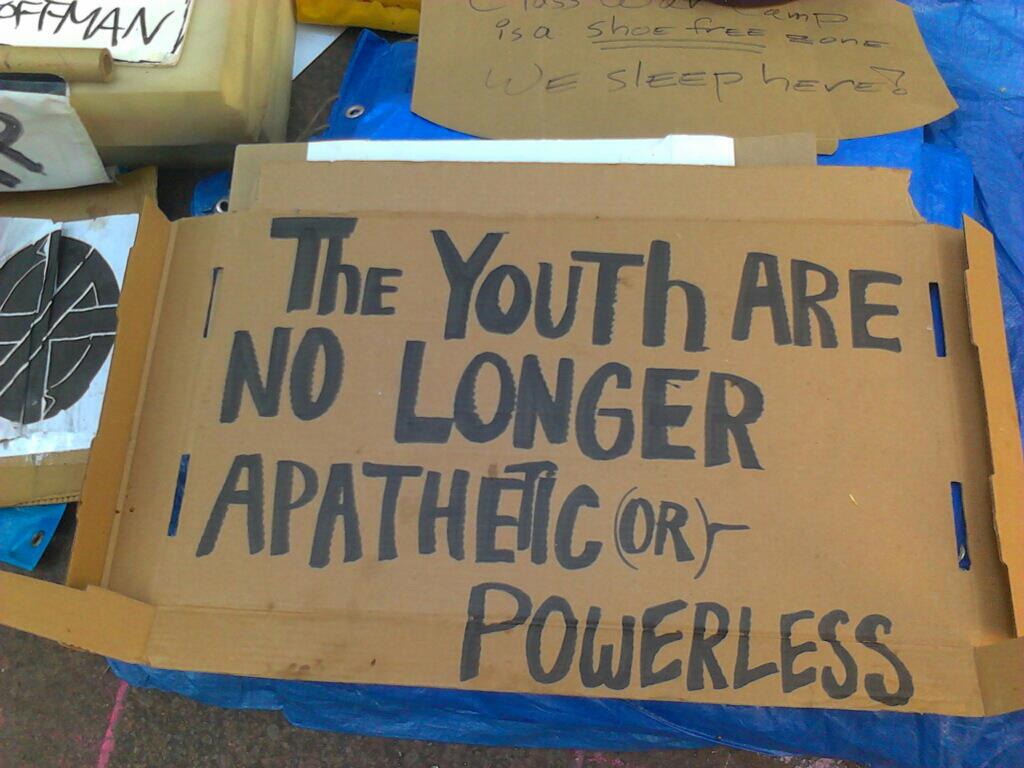
As I sat in one of my education classes at the College of Staten Island some 20 years ago, I was deeply saddened to learn that all my enthusiasm for teaching, both the passion and the purpose amounted to nothing when looking at the big picture. The professor had posed the question to the class: “Why do do you want to become a teacher?” to which he hastily answered: “Don’t tell me its because you like kids, or that you want to change the world, because that’s a bunch of crap…” My heart immediately sank and I had to search hard to come up with some other reason for wanting to become a teacher. I loved history and I wanted to teach—that’s all that I knew. Little did I know of the challenges of teaching that lay ahead.
Our philosophy of Education is extremely important as educators; it should fuel or careers for the duration serving as the anchor, signpost, and weathervane in the stormy times of ever-changing educational policy and cultural shifts. I say “educators” because teaching has become hierarchical in that, if you’re a “teacher”, (as I’ve been told), it’s “just another city job”, you clock in “do your time”, count the years down to retirement, and, if you’re lucky and you’ve “played your cards right”, retire with enough income to live comfortably until your departure from this life. It boils down to how your perceive yourself in your role—when you’re in front of the students. What do your care about the most on a daily basis?
Accepting that there is a great amount of fear-mongering in school communities, where unions are less than effective because of individual school cultures, and where, to a great extent teaching staff have little to no vested interest in the student body as a whole, makes the lofty goal of education nearly illusive.
I continue to fight establishment politics in education from my place in the classroom as a teacher and an educator. I embrace the difficulties that arise though sometimes not as gracefully as I should, Nevertheless, I retreat to my philosophy that espouses a cross-section of Dewey, Today, Ikeda, and Thomas Jefferson, believing that if we are to move forward as a society, the validity of education must be a real thing. It cannot be bases on an infrastructure of perfunctory scaffolding that ultimately lead the youth, like rats following a virtual Pied Piper to destruction.
This is an example post, originally published as part of Blogging University. Enroll in one of our ten programs, and start your blog right.
You’re going to publish a post today. Don’t worry about how your blog looks. Don’t worry if you haven’t given it a name yet, or you’re feeling overwhelmed. Just click the “New Post” button, and tell us why you’re here.
Why do this?
The post can be short or long, a personal intro to your life or a bloggy mission statement, a manifesto for the future or a simple outline of your the types of things you hope to publish.
To help you get started, here are a few questions:
You’re not locked into any of this; one of the wonderful things about blogs is how they constantly evolve as we learn, grow, and interact with one another — but it’s good to know where and why you started, and articulating your goals may just give you a few other post ideas.
Can’t think how to get started? Just write the first thing that pops into your head. Anne Lamott, author of a book on writing we love, says that you need to give yourself permission to write a “crappy first draft”. Anne makes a great point — just start writing, and worry about editing it later.
When you’re ready to publish, give your post three to five tags that describe your blog’s focus — writing, photography, fiction, parenting, food, cars, movies, sports, whatever. These tags will help others who care about your topics find you in the Reader. Make sure one of the tags is “zerotohero,” so other new bloggers can find you, too.

 Education: The Battle for hearts and Minds